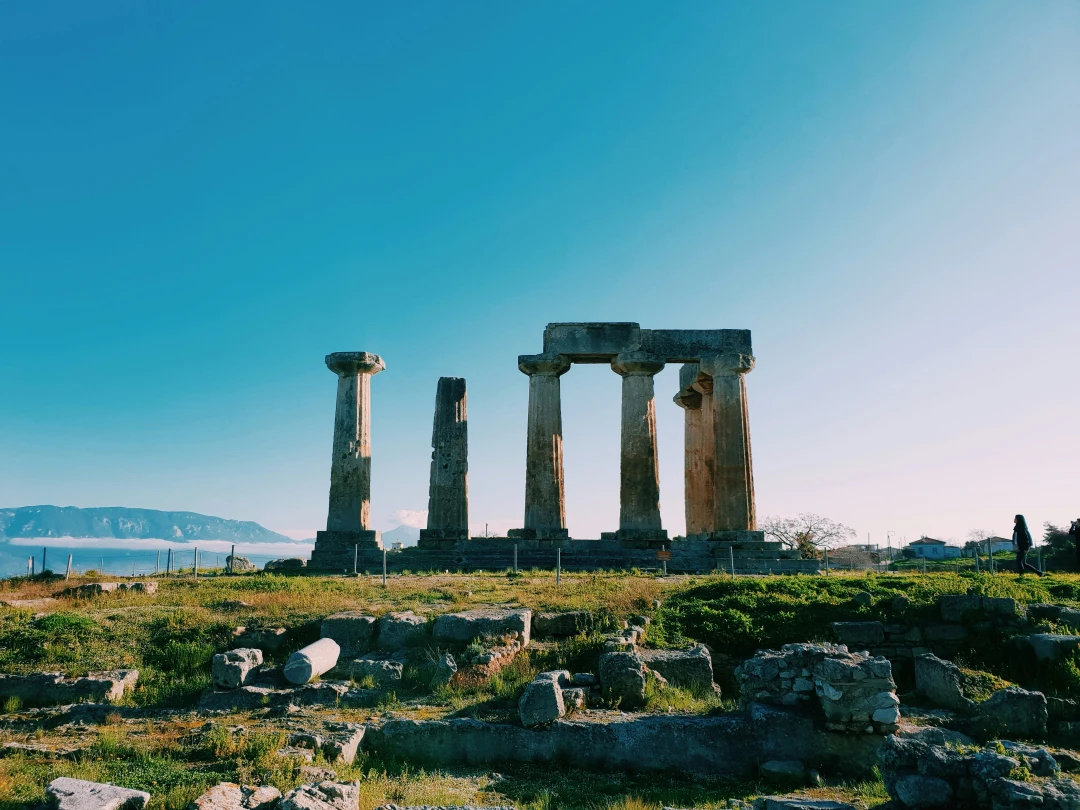
Delphi
Embark on a private day tour from Athens to the UNESCO World Heritage Site of Delphi, renowned for its rich history and ancient treasures. Relax in the comfort of private, air-conditioned vehicles as you journey to this legendary destination. Explore the fascinating Delphi ruins, including the iconic 4th-century-BC Temple of Apollo, and delve into the wonders of the Delphi Archaeological Museum, home to a wealth of ancient artifacts. Witness the sanctuaries, ancient stadiums, and theaters that once thrived in this sacred sanctuary of the ancient world. Your tour includes convenient return hotel/port transfers, ensuring a seamless experience from beginning to end. Stay connected with onboard Wi-Fi and stay refreshed with complimentary bottled water as you immerse yourself in the marvels of Delphi. Let us guide you through the wonders of Delphi with ease and comfort, creating memories to last a lifetime
Available Tours to Delphi

Delphi Day Trip: Explore Ancient Wonders
Embark on an 8-hour roundtrip journey from Athens, visiting three remarkable locations with a lunch break
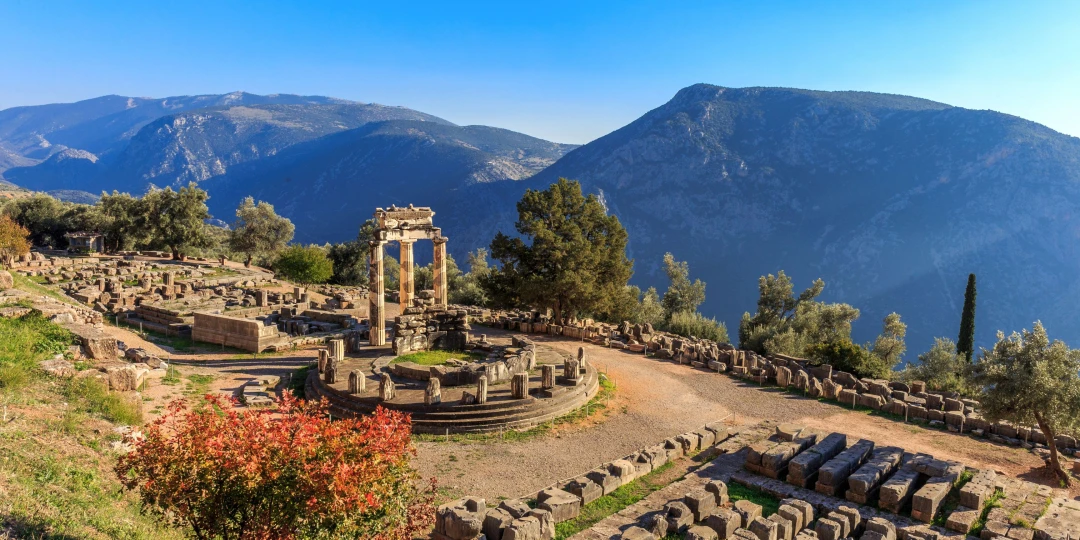
Archaeological site of Delphi
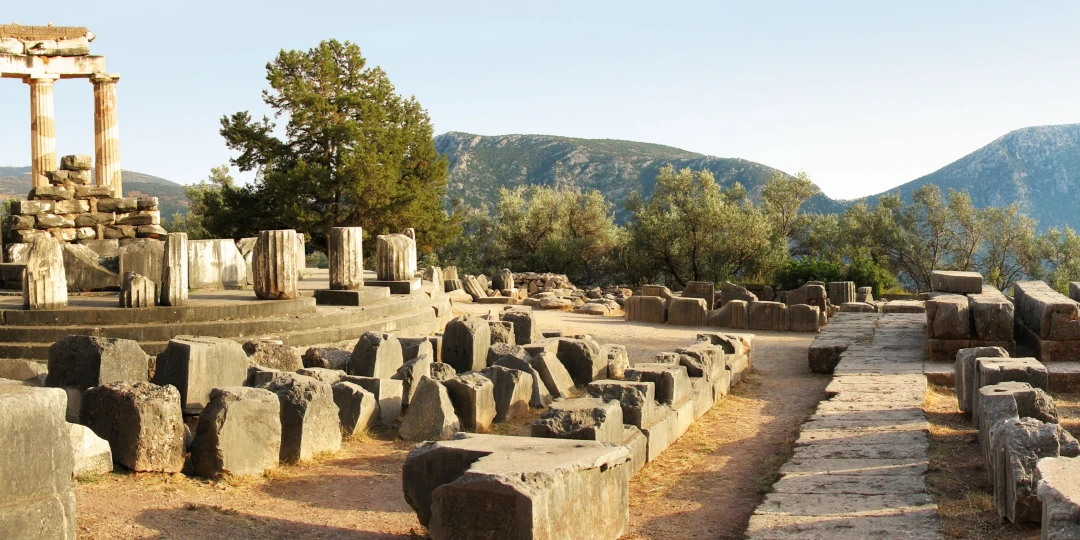
Embark on a journey through time as you explore the sanctuaries of Apollo and Athena Pronaia, alongside the ancient stadium and theater in Delphi. Delve into the sacred precincts dedicated to the revered gods Apollo and Athena, marveling at the architectural splendor and spiritual significance of these ancient sites.
Step into the ancient stadium, where athletes once competed in the Panhellenic Games, and imagine the cheers of spectators echoing through the ages. Then, venture to the theater, where the arts flourished and performances captivated audiences in antiquity. Experience the allure of Delphi’s sanctuaries and ancient structures, each bearing witness to the rich history and cultural heritage of this legendary site
The oracle
The oracle of Delphi traces its origins back to prehistoric times, evolving over centuries into an institution of international renown. It served as a beacon of guidance and wisdom, transcending borders and fostering a sense of unity among diverse cultures.
Despite the nation of Greece being centuries away from formal establishment, the oracle played a pivotal role in cultivating sentiments of Greek nationality. Through its prophetic pronouncements and spiritual significance, it contributed to the collective identity and cultural cohesion of the Hellenic people, laying the groundwork for the emergence of a unified Greek civilization in the centuries to come
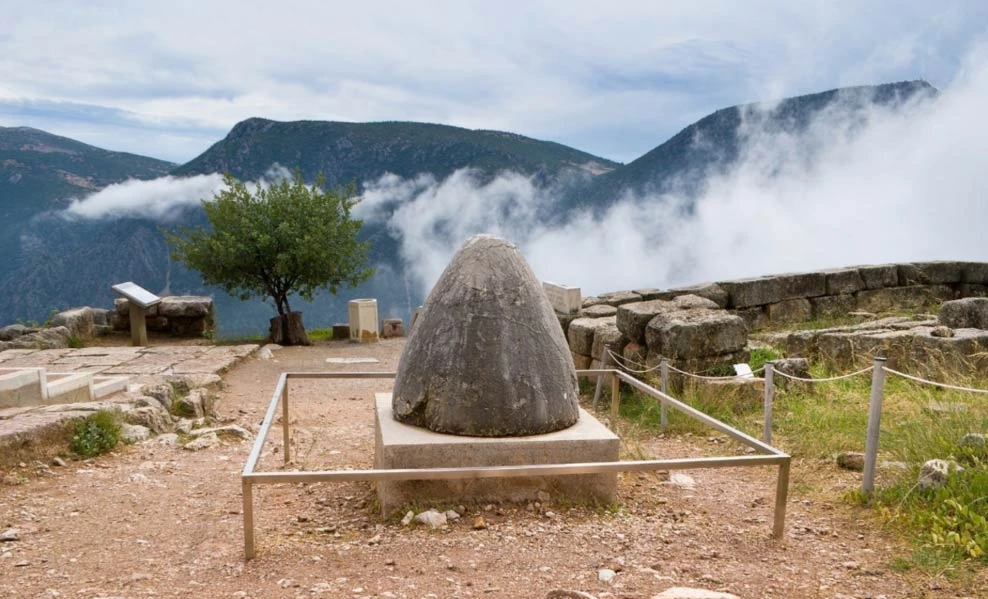
Omphalos
The ancient Greeks held Delphi in the highest regard, believing it to be the very center of the world. This sacred designation was symbolized by the omphalos, a stone monument revered as the navel of the earth. Positioned at the heart of Delphi, this ancient artifact served as a tangible representation of divine presence and cosmic significance, embodying the spiritual essence of the sanctuary and its oracle
Step into the hallowed grounds where history was made during the inaugural modern Olympic Games, and feel the echoes of triumph and camaraderie that still resonate within its ancient walls. As you marvel at its grandeur, you’ll find that the Panathenaic Stadium not only preserves the legacy of the past but also serves as an inspiration for future generations to embrace the values of excellence and sportsmanship.
Temple of Apollo
The Temple of Apollo, dedicated to the god of music, harmony, light, healing, and oracles, held a position of utmost importance within the Delphic Panhellenic Sanctuary. The impressive edifice, featuring a partially restored colonnade visible today, dates back to the 4th century BC and stands as the third temple erected on the sacred site. At the heart of the temple lay the renowned oracle, the Pythia, who operated within its hallowed halls. According to tradition, the location was chosen due to a sacred chasm beneath the site emitting mysterious vapors, which the Pythia inhaled to induce her prophetic trance. Ancient accounts vary regarding the nature of the Pythia’s utterances, with some suggesting a state of delirium and inarticulate cries that were interpreted by priests into equivocal oracles. However, this interpretation has been met with controversy, as scholars like Joseph Fontenrose and Lisa Maurizio argue that ancient sources uniformly depict the Pythia speaking intelligibly and delivering prophecies in her own voice